

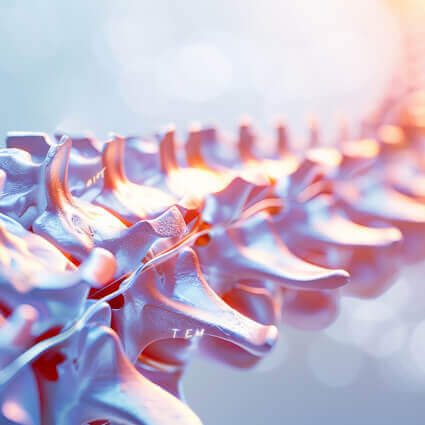
 You’ve probably heard a lot lately about lifespan versus health span. Lifespan is how long you live. Health span is how many of those years you’re actually living well—skiing at Assiniboine Park, keeping up with your grandkids, staying active through those long Manitoba winters without depending on pain medication to get through the day.
Most people focus on blood work, diet, and exercise (all great things), but one piece of the puzzle keeps getting skipped: the spine.
“Your spine plays a massive role in how long you stay active, mobile, and independent. Spinal changes may occur gradually over time, especially with prolonged sitting, poor posture, and limited movement.” Dr. Pascal Breton
Your Spine Can Age Faster Than the Rest of You
This is something that Winnipeg chiropractors Dr. Dan and Dr. Pascal see regularly at Lindenwoods Chiropractic. They’ll take X-rays of a 30-year-old who came in for something unrelated and find Phase 2 disc degeneration already underway. No major back pain yet. Just a spine that’s been ageing ahead of schedule.
Prolonged sitting, poor posture, too much screen time with your head down, and old injuries that were never properly addressed all accelerate that process. So does a lack of daily movement (two intense gym sessions a week won’t compensate for the other 23 hours).
It’s Not Just About Back Pain
This is the part most people miss. As the spine breaks down, it starts to affect the nervous system. Nerves get compressed. Signals get disrupted. That may contribute to stiffness, reduced mobility, radiating discomfort, or balance challenges in some individuals. Thoracic stiffness affects how deeply you breathe. Postural collapse affects your risk of falls. These aren’t just inconveniences. They are serious long-term consequences.
“That’s Just Part of Getting Older” Isn’t Good Enough
Stiffness, reduced range of motion, and posture changes are not inevitable. They are adaptations, and they can be addressed. The goal at Lindenwoods Chiropractic is to help patients understand the difference between natural ageing and lifestyle-related mobility changes.
Small, consistent inputs beat intense short bursts every time. Regular movement, good postural habits, strength training, addressing old injuries, and consistent movement habits and spinal care may help support mobility and function over time. Not perfect. Consistent.
Start Before It Becomes a Bigger Issue
The best time to take your spine seriously is before things get serious. Whether you’re in your 30s, noticing more stiffness after a long week at a desk, or in your 50s, wanting to stay active through retirement, the window to make a real difference is now.