

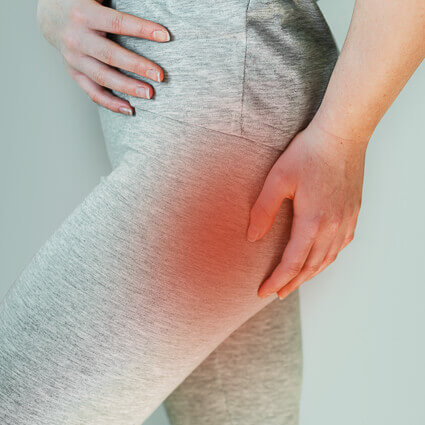
 Your glutes play a much bigger role in daily comfort than most people realise. They help you stand tall, walk smoothly, climb stairs, and lift safely. When they are working well, movement feels supported and efficient. When they’re not, other areas of the body often compensate.
Many people are surprised to learn how common glute underactivation is, especially with modern routines. Long hours of sitting, not enough movement variety, and workouts that skip basic activation work can all contribute. Over time, this can affect posture, balance, and how stress is distributed through the lower back, hips, and knees.
Understanding what your glutes do and how to support them can make a noticeable difference in how your body feels and functions.
What Your Glutes Are Designed to Do
Your glutes are among the largest and most powerful muscle groups in the body. Their main job is to extend the hips, which is something you do constantly throughout the day. Standing up from a chair, walking, climbing stairs, lifting objects, and pushing off during exercise all rely on proper glute engagement.
They also help stabilize the pelvis and support the lower back. When the glutes are contributing as they should, movement tends to feel more balanced. When they are not, strain often shifts elsewhere.
“As the glutes get quieter, other areas like the lower back and hamstrings often take on more load than they should,” says Dr. Pascal.
How Sitting Can Quietly Switch Glutes “Off”
One of the biggest challenges for glute function is prolonged sitting. Sitting keeps the hips in a flexed position for long stretches, which can encourage the muscles at the front of the hips to tighten. At the same time, the glutes stay in a lengthened, inactive position.
Over time, this pattern can make it harder for the glutes to fire efficiently when you stand, walk, or exercise. The muscles are still present, but timing and coordination may be off.
This does not mean something is wrong with your body. It often reflects a pattern that has developed gradually and can improve with the right approach.
Common Signs Your Glutes May Be Underworking
You don’t need a complex assessment to notice clues. Some common signs include low back tightness after standing or walking, hip discomfort at the front of the hips, hamstrings that always feel tight, or knees that feel sore with stairs or squats.
Some people also notice that certain exercises feel awkward or that they struggle to feel their glutes working, even during targeted workouts.
“These signs are often about coordination, not effort. Most people don’t need to push harder. They need their body to use the right muscles at the right time,” says Dr. Dan.
Why Movement Quality Matters More Than Intensity
When glutes are underactive, adding more intensity or heavier weights is not always the answer. Pushing harder can sometimes reinforce compensation patterns, where other muscles continue to dominate.
Instead, focus on movement quality and awareness. Slower, controlled movements can help the body relearn how to recruit the glutes effectively. Simple exercises like glute bridges, hip hinges, or gentle band walks are often used as a starting point.
Breaking up sitting time also matters. Standing, walking, or lightly moving every 30 to 60 minutes can help reduce stiffness and encourage more balanced muscle use throughout the day.
The Role of the Nervous System in Glute Function
Muscles do not work in isolation. They rely on communication between the brain and body. When joints are stiff or movement patterns are restricted, that communication can become less efficient.
This is one reason people sometimes notice they move more easily after an adjustment or mobility work. Improving joint motion can support better feedback to the nervous system, which helps muscles coordinate more effectively.
In simple terms, when your nervous system is getting clearer input, your muscles can respond more reliably.
Supporting Stronger, More Reliable Movement
Strong, responsive glutes support more than exercise performance. They play a role in balance, posture, and how well your body handles everyday demands such as lifting, carrying, and prolonged standing.
Over time, good hip strength and steady walking ability are also linked with independence and confidence as we age. Supporting glute function is not about chasing perfect posture or extreme workouts. It’s about helping your body move in a way that feels supported and sustainable.
If you are noticing recurring back tightness, stubborn hip discomfort, or movement that feels less stable than it used to, it may be worth looking at how your hips and glutes are working together.
Book a visit with one of our Winnipeg chiropractors today. We can review your movement patterns, discuss daily habits, and help you build a practical plan that fits your routine and supports long-term movement health.