

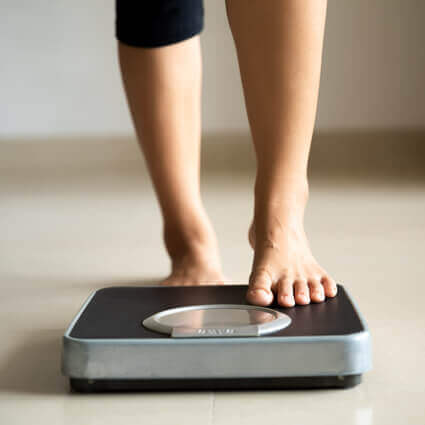
 Reaching a weight loss plateau during perimenopause or menopause can feel incredibly frustrating, especially when you’re doing everything right. You’re eating well, hitting the gym regularly, and staying consistent, yet the scale refuses to budge. If this sounds familiar, you’re not alone; many women face this challenge.
The truth is, it’s not about willpower or effort. Your body is simply responding differently to the same strategies that used to work before. Understanding what’s happening can help you adjust your approach and explore strategies that may help.
How Hormonal Changes Affect Your Body
During perimenopause and menopause, estrogen and progesterone levels fluctuate dramatically. These hormonal shifts create several challenges:
- Slower metabolism, so your body burns fewer calories at rest
- Loss of muscle mass, which further reduces fat-burning ability
- Decreased insulin sensitivity, making blood sugar management harder
- Poor sleep quality, which increases cortisol and triggers cravings for high-fat, high-sugar foods
All of these factors work together to make weight loss more challenging than it was in your younger years.
The Power of Protein and Strength Training
Many women instinctively cut calories and increase cardio when weight loss stalls. However, this approach can backfire. Eating too few calories signals your body to hold onto fat reserves, while excessive cardio may actually reduce muscle mass.
“One of the key takeaways is that many women respond by doubling down on dieting and workouts, when what they often need is a smarter, not harder approach — prioritizing sleep, building muscle, and maintaining a strong metabolic engine,” says Dr. Pascal Breton of Lindenwoods Chiropractic.
Instead, focus on increasing protein intake. Aim for about one gram of protein per pound of body weight, spread throughout the day. This helps build and maintain lean muscle mass, which burns more calories, even at rest.
Strength training becomes even more important during this phase of life. You need to lift heavy weights, not just go through the motions with light dumbbells. Postmenopausal women who lift 85% of their maximum weight have seen increases in both lean muscle mass and bone density.
Timing Matters More Than You Think
When you eat can be just as important as what you eat. Try to consume 25 grams of protein per meal, and if you’re doing strength workouts, eat protein within one to two hours afterward when your body’s absorption window is highest.
Pay attention to your carbohydrate sources as well. Swap white rice and refined grains for fruits and vegetables. These changes help manage insulin spikes that encourage fat storage. Consider limiting carbohydrate intake after mid-afternoon, focusing instead on protein and vegetables for dinner.
Nutrition and exercise needs vary. For personalized guidance—especially during menopause—check in with your GP, a registered dietitian, or a qualified trainer.
How Your Winnipeg Chiropractor Can Help
Chiropractic may help some people feel more comfortable and move more easily, which can support consistent activity and recovery. Sleep and weight concerns may have many causes, so we’ll coordinate with your GP when appropriate.
Regular adjustments also help keep your body moving well, reducing the risk of injuries that could sideline your workout routine. When your spine and joints function properly, you’re more likely to stay consistent with exercise and reach your goals.
Ready to Feel Your Best?
If you’re struggling with a weight loss plateau during menopause, know that it’s not your fault. Your hormones are changing the rules, but we can help you adapt your strategy.
Schedule an appointment at Lindenwoods Chiropractic today. Our team understands the unique challenges women face during menopause and could help you move better and achieve your wellness goals.